Wednesday, January 28, 2026
  • en English
  • de Deutsch
SmartBuildingsCompass
Header SBC English
  • Home
  • Home & Living
  • Tech / Tools
  • Healthcare & Dementia
  • Care & Relatives
  • Download: 10 tips
  • Why we care
No Result
View All Result
  • Home
  • Home & Living
  • Tech / Tools
  • Healthcare & Dementia
  • Care & Relatives
  • Download: 10 tips
  • Why we care
No Result
View All Result
SmartBuildingsCompass
No Result
View All Result
Home Healthcare & Dementia

Why older people with heart disease often receive inadequate care

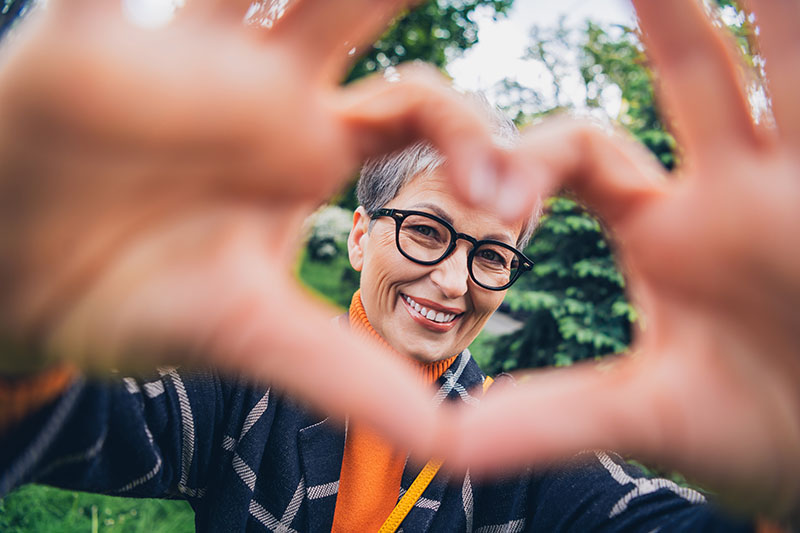
With age, not only do the risks of heart attack or heart failure increase, but so does the complexity of treatment. The problem is that people over the age of 75 are severely underrepresented in clinical trials. As a result, older patients often receive less intensive or delayed treatment.   Credit: Shutterstock

With age, not only do the risks of heart attack or heart failure increase, but so does the complexity of treatment. The problem is that people over the age of 75 are severely underrepresented in clinical trials. As a result, older patients often receive less intensive or delayed treatment. Credit: Shutterstock

Dieser Beitrag ist auch verfügbar auf: Deutsch

Europe’s aging population poses a challenge: More and more people are affected by cardiovascular disease in old age. According to a recent overview by The Lancet Regional Health – Europe, older adults are not only disproportionately affected, but also less likely to receive optimal treatment.

Why older people are not treated optimally

With age, not only do the risks of heart attack, stroke or heart failure increase, but also the complexity of treatment. Many patients suffer from several illnesses at the same time, have to take numerous medications and are more susceptible to side effects. In addition, there are age-related physiological changes and often cognitive impairments.

There is too little data and guidelines on this complexity on which doctors can base their treatment. This is because people over the age of 75 are heavily underrepresented in clinical studies. Many therapies are based on data from younger patient groups, meaning that there is a lack of evidence-based recommendations for older people. As a result, guidelines fall short and older patients often receive less intensive or delayed treatment.

Header SBC English

In addition to medical factors, social inequalities also increase the risks. Financial constraints, limited access to healthcare services – especially in rural areas – and social isolation make it difficult to provide continuous care. Studies show that older adults with cardiovascular disease are more likely to be lonely and therefore have an additional increased risk of deterioration.

There are also more and more very old and frail people: Almost one in three people over 85 are affected. This means that their body and strength are weakening. Those affected are more susceptible to complications, falls and more serious illnesses.

What heart disease has to do with dementia

Heart disease and dementia are closely linked. If you have a weak heart, you also have a higher risk of memory problems – and vice versa. Vascular dementia is triggered by a change in blood flow in the brain. Why this is the case: the heart supplies the brain with oxygen and nutrients via the blood vessels. If the heart or blood vessels are diseased, this has a direct impact on brain health. High blood pressure, arteriosclerosis or cardiac arrhythmia can lead to vascular damage in the brain, which favors dementia.

If the heart is weak, less blood is pumped to the brain, which means that the nerve cells are not supplied with sufficient oxygen. Strokes, which are often the result of atrial fibrillation or vascular problems, are also considered an important risk factor for dementia. This is the second most common form of dementia and is responsible for around 25 percent of cases.

In addition, risk factors such as smoking, diabetes, obesity or lack of exercise damage both the heart and the brain. Studies therefore clearly show that people with cardiovascular disease have an increased risk of developing dementia. Conversely, cognitive impairments often make the treatment of heart disease more difficult. Put simply, a healthy heart also protects the brain – which is why cardiac therapy and dementia prevention must always be considered together.

The experts’ recommendations

Unsurprisingly, a healthy lifestyle is also emphasized as central in this study. It emphasizes that lifestyle changes continue to have an effect even in old age: Stopping smoking measurably extends life expectancy, while a nutritious diet counteracts high blood pressure and diabetes. Regular exercise – even moderate activity such as walking – reduces the risk of falls, improves heart function and increases quality of life.

The WHO therefore recommends that older adults get at least 150 minutes of moderate exercise per week as well as targeted strength and balance exercises. However, according to European data, only a small proportion of people over 65 meet these recommendations.

In the view of the authors of the study, it is no longer enough to simply treat the disease itself in older patients. Care must focus much more on maintaining quality of life, independence and suitability for everyday life.

The Lancet Commission proposes a series of concrete measures to improve the care of older people with cardiovascular diseases. Close cooperation between different specialties is particularly important: Heart specialists, geriatricians and GPs should work together to develop individual strategies for their patients. Medication treatment must also be adapted more closely, as older people often take many medications at the same time and react more sensitively to dosages. Equally important, according to the experts, is consistent prevention, which includes vaccinations – for example against influenza -, nutritional advice, exercise programs and help with quitting smoking. To make future recommendations even more appropriate, older people should also be specifically included in medical studies. Finally, more social support is needed to relieve the burden on relatives and carers and ensure long-term care.

In other words, a holistic approach that combines medicine, prevention, social factors and quality of life is crucial to mastering the challenges of an ageing society. However, there are still gaps between the medical possibilities, the guidelines and the reality of older patients.

Read more about this:
The Lancet Regional Health – Europe: Challenges in the prevention, treatment and management of cardiovascular disease among older adults

Anja Herberth
Author: Anja Herberth

Chefredakteurin

Previous Post

Mental illness: A healthy lifestyle is crucial

Next Post

Brain stimulation: How AI enables new treatments for neurological diseases

Related Posts

Women's hearts beat differently—and need more attention. (Credit: AHA/American Heart Association)
Healthcare & Dementia

Go Red for Women 2026: Why women’s heart health needs more visibility

17. January 2026
The book "The unexpected journey" is a special kind of travel guide: For people who accompany a loved one with dementia. Book cover: Kailash
Dementia

Emma Heming Willis: “The unexpected journey”

12. January 2026
The Picasso "Tête de Femme" (1941) - a gouache on paper, with an estimated value of around 1 million euros - will be raffled off. Credit: Picasso Estate, Paris, 2025
Dementia

1 Picasso for 100 euros: A French idea that finances hope

12. January 2026
Sophie Rosentreter (right) with her mother Katrin and grandmother Ilse: "Grandma Ilse's" dementia is overwhelming the family. Today, Sophie Rosentreter is developing solutions for caring for and dealing with dementia. Credit: Katrin Schöning/Sophie Rosentreter
Healthcare & Dementia

Care & dementia expert Sophie Rosentreter: “The heart does not become demented”

18. November 2025
The topic of dementia is more complex than is portrayed in the media. In conversation with Raphael Schönborn, we analyze levels that are often completely missing: The people affected themselves, and that we could turn dementia into an impairment that can be shaped and also influenced. If only we wanted to. Credit: PROMENZ/Dragan_dok
Dementia

Rethinking dementia: breaking down barriers and strengthening self-help

11. November 2025
Research shows that poor sleep is linked to an “older” brain. Credit: Shutterstock
Dementia

Sleep hygiene is brain hygiene

7. October 2025
Next Post
This is what EASEE, the intelligent pacemaker for the brain, looks like in epilepsy. Credit: Precisis GmbH

Brain stimulation: How AI enables new treatments for neurological diseases

Leave a Reply Cancel reply

Your email address will not be published. Required fields are marked *

  • Deutsch
  • English

.

loader

Newsletter

What tools and concepts are available for senior living, care and support - and where can they be found? Our newsletter provides answers!

I accept the terms and conditions

Recent News

Women's hearts beat differently—and need more attention. (Credit: AHA/American Heart Association)

Go Red for Women 2026: Why women’s heart health needs more visibility

17. January 2026
The pension study clearly shows that Austrians are very worried when they think about their pension - 40 percent rate their own risk of poverty in old age as high. Credit: Alexander Caminada/Ageing without limits

Study on retirement provision 2026: The fear of the future

14. January 2026
The book "The unexpected journey" is a special kind of travel guide: For people who accompany a loved one with dementia. Book cover: Kailash

Emma Heming Willis: “The unexpected journey”

12. January 2026
The Picasso "Tête de Femme" (1941) - a gouache on paper, with an estimated value of around 1 million euros - will be raffled off. Credit: Picasso Estate, Paris, 2025

1 Picasso for 100 euros: A French idea that finances hope

12. January 2026
Community nurses are regional (health) caregivers who provide support so that people can remain healthy and independent at home for as long as possible. With the end of EU funding and despite a positive evaluation, the project is being reduced, restructured or discontinued in some federal states.  Credit: Shutterstock

Community Nursing: What happens when support and prevention become a source of savings?

20. November 2025
SmartBuildingsCompass

Made with care. For you.

Our research and interviews on safe and independent living in old age are written by our team with a great deal of energy and passion. We hope you enjoy reading them!

Do you need more information? If so, you are welcome to contact us at redaktion@sbc.co.at.

All rights reserved (2025).

  • Deutsch
  • English

Follow us

Instagram
  • Home
  • Subscribe to our newsletter
  • Glossary
  • About us
  • Contact
  • Marketing: Information for businesses
  • Download your 10 tips for independent, safe living in older age
  • Presentations & workshops for local authorities & nonprofits
  • Contact & Legal Notice
  • FAQs
  • Disclosure Statement
  • Nettiquette
  • Data protection
  • General Terms and Conditions (GTC)

© 2025 by owl lab e.U. Wir navigieren Wandel.

We use cookies on our website. Some of them are essential, while others help us improve this website and your experience.
Cookie SettingsAccept All
Manage consent

Privacy Overview

This website uses cookies to improve your experience while you navigate through the website. Out of these, the cookies that are categorized as necessary are stored on your browser as they are essential for the working of basic functionalities of the website. We also use third-party cookies that help us analyze and understand how you use this website. These cookies will be stored in your browser only with your consent. You also have the option to opt-out of these cookies. But opting out of some of these cookies may affect your browsing experience.
SAVE & ACCEPT
No Result
View All Result
  • Home
  • Home & Living
  • Tech / Tools
  • Topic search
    • Topic: Orientation
    • Topic: Dementia
    • Topic: Building & Renovating
    • Topic: Healthcare
  • Local authorities & Nonprofits
  • Download: 10 Tips
  • Deutsch
  • English

© 2025 by owl lab e.U. Wir navigieren Wandel.

Safe & independent living in old age

27 pages of tips for independent, safe living in old age—download now!

Download our PDF with tipps now!
loader

Email addresse*
I accept the privacy policy and agree that SmartBuildingsCompass.com may contact me beyond this request to send me its regular newsletter. I can unsubscribe at any time.

Sicher & selbstbestimmt Wohnen im Alter!

27 Seiten Tipps für sicheres, selbstbestimmtes Wohnen im Alter - jetzt downloaden!

Jetzt gleich downloaden!
loader

Email addresse*
I accept the privacy policy and agree that SmartBuildingsCompass.com may contact me beyond this request to send me its regular newsletter. I can unsubscribe at any time.