• de Deutsch
  • en English
Smart Buildings Compass
  • Home
  • Living
  • Building & Renovation
  • Everyday aids
  • Care
  • Dementia
  • Health
  • Finance & Planning
No Result
View All Result
  • Home
  • Living
  • Building & Renovation
  • Everyday aids
  • Care
  • Dementia
  • Health
  • Finance & Planning
No Result
View All Result
Smart Buildings Compass
No Result
View All Result
Home Health & Prevention

Why should we take poor sleep seriously, Prof. Seidel?

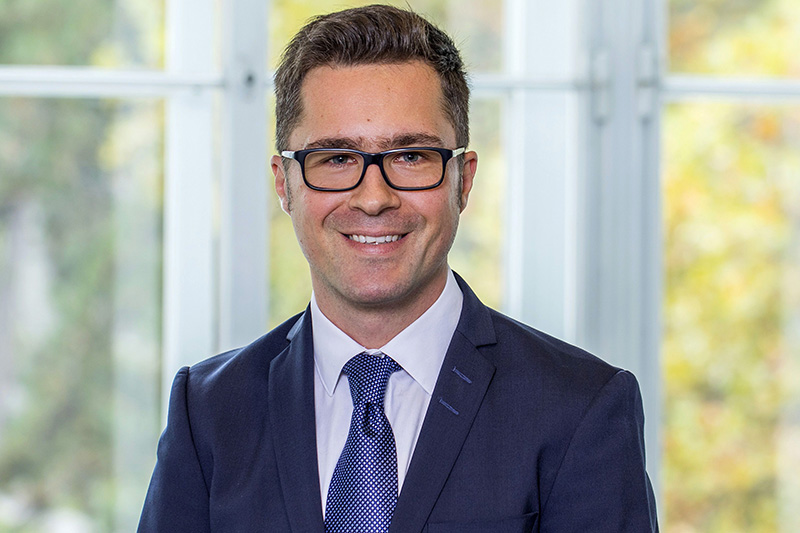
Our interviewee: neurologist and sleep medicine specialist Prof. Stefan Seidel (Credit: F.Matern_MUW)

Our interviewee: neurologist and sleep medicine specialist Prof. Stefan Seidel (Credit: F.Matern_MUW)

This article is also available in: Deutsch

Feeling tired in the evening but still unable to fall asleep, waking up repeatedly during the night, and feeling in the morning as though you’ve barely rested at all: When poor sleep becomes a constant companion, everyday life suffers as well. Especially in older age, such complaints are sometimes accepted as simply part of the aging process.

Neurologist and sleep specialist Prof. Stefan Seidel disagrees: Sleep should be restorative even in old age. This is especially true because chronic insomnia has been linked to neurological and mental health disorders. The reason: In people with insomnia, the entire system is often in high gear 24/7, preventing any rest. This overactivation not only causes fatigue; it also affects the entire body.

You might also be interested in

Our interview partner: Siri Arntzen, head of Fabric+ (Credit: Fabric+)

How can older people get through the winter safely, Siri Arntzen?

18. September 2026
Photo credit: m2 mühle nursing beds

Alternatives to traditional nursing beds: When you don’t want it to look like a hospital

14. August 2026
Our interviewee: Nursing expert Dr. Susanne Karner (Photo credit: Tanja Kibogo)

Care despite distance: How can we organize support from afar, Susanne Karner?

14. August 2026
Our interviewee: Anthropologist Margret Jäger (Credit: Private)

Is healthy aging really solely our own responsibility? Anthropologist Margret Jäger on the factors we overlook

14. August 2026

Prof. Seidel is the initiator and co-author of an international review by the European Academy of Neurology, conducted with the participation of MedUni Vienna, on the health consequences of chronic insomnia. Among other things, the review highlights a link between insomnia and an increased risk of stroke, Alzheimer’s disease, depression, and suicidal behavior.

Header SBC English

In this interview, the physician explains why the study is a wake-up call for preventive medicine and when occasional trouble falling or staying asleep becomes a chronic condition warranting treatment.

What to Expect in This Interview

  • How sleep changes as we age and how to recognize chronic insomnia,
  • what symptoms may be associated with sleep disorders and when treatment is advisable,
  • how to interpret the results of the systematic review,
  • who those affected can turn to and what cognitive behavioral therapy entails, and
  • what you should keep in mind when self-medicating with sleep aids.
SBC: Professor Seidel, what is insomnia — and when do occasional problems falling asleep or staying asleep become a condition that requires treatment?

Prof. Seidel: Insomnia is a pathological, chronic inability to sleep. The key factors are not only difficulty falling or staying asleep and waking up too early in the morning, but also the effects on daily functioning. If the restorative effect of sleep is lost and you no longer feel the same during the day as you did before the sleep problems began, you should take a closer look.

In addition to nighttime symptoms and their impact during the day, frequency and duration are also key factors: The sleep problems occur at least three times a week and persist for three months or longer. This doesn’t have to follow a regular pattern; it often occurs in clusters. For example, three bad nights might follow one after another, then a better night, and then the sleep problems start again.

SBC: You often hear from those affected that sleep disturbances are normal as people age. Which changes in sleep are a natural part of aging, and which symptoms should be evaluated by a doctor?

Prof. Seidel: Poor sleep isn’t caused solely by aging. It’s true that the structures and networks in the brain change, and as a result, sleep becomes somewhat more fragile. Older people wake up more frequently during the night, deep sleep phases decrease, and sleep structure changes. But even an older, healthy person continues to experience the restorative effects of sleep.

Therefore, poor sleep should not simply be accepted as a consequence of aging. Once sleep is no longer restorative, it is time to seek professional advice.

I want to emphasize the word “professional”: It’s easy to find counseling services online, but you should pay attention to the provider’s professional qualifications and references. Giving general sleep tips is different from diagnosing and treating insomnia. That requires appropriate training and experience.

SBC: How does persistent insomnia change daily life? What effects can it have — and what symptoms do those affected initially not even associate with their sleep?

Prof. Seidel: The sleep-wake cycle is one of our body’s most important rhythms. If it’s disrupted, it throws other processes — and the entire body — into disarray.

Persistent poor sleep can lead to feelings of fatigue, difficulty concentrating, increased irritability, or more impulsive behavior. What is less well known is that, in cases of chronic overactivation, the usual drop in blood pressure that occurs during sleep may not take place. We then observe that blood pressure remains comparatively high, which puts a strain on the cardiovascular system and can lead to secondary conditions. As a result, we also see patients at the clinic with persistently high blood pressure, palpitations, arrhythmias, or abnormalities in blood sugar regulation.

In older age, a sleep disorder can have a particularly significant impact because other physical changes and pre-existing conditions are often already present. Behavior can also change. In long-term care facilities, for example, we see people becoming restless or aggressive.

It is important to support the natural sleep-wake cycle. This includes getting enough daylight; lighting in buildings can also help. In the evening, for example, the light spectrum can shift toward warmer, reddish tones. Such conditions can help older adults transition to sleep. Especially for older adults who are restless and have trouble sleeping, we should focus on establishing a good, natural rhythm rather than relying primarily on sedatives or calming substances.

A mobile sleep lab can be used to investigate specific issues—such as difficulty falling asleep or staying asleep—in greater detail when necessary. (Credit: Somfit)
SBC: Do you have an example from your practice that illustrates just how much a sleep disorder can disrupt daily life?

Prof. Seidel: I remember a man in his early 40s who came to the neurology outpatient clinic. He reported vision problems and difficulty concentrating and was afraid that a brain tumor might be the cause. The examination revealed no tumor, but rather severe sleep apnea. This condition causes pauses in breathing, oxygen deprivation, and interruptions in sleep.

He had trouble concentrating, and his vision quickly became blurry when he exerted himself. At the supermarket, he found it difficult to make out price tags and decide what to buy. After receiving treatment for sleep apnea, he reported that he could see better again, concentrate more easily, and complete his shopping.

Although this example involves a sleep disorder other than insomnia, it illustrates just how much disrupted sleep can interfere with daily life, even if those affected do not immediately recognize this connection themselves.

SBC: The review by the European Academy of Neurology now shows links between insomnia and an increased risk of stroke, as well as other neurological and mental health conditions. In your view, what do these findings specifically mean? What can we infer from them regarding personal risk?

Prof. Seidel: First of all, this is a meta-analysis that synthesizes various studies. There were differences among these studies. It describes a statistical correlation at the level of large groups and cannot simply be applied to an individual. In this context, it’s important for me to say: We don’t want to cause alarm. Anyone who has been sleeping poorly for a few months should not conclude that a stroke is imminent.

Rather, the message is to take sleep seriously as an essential component of brain health. The study is, in essence, a passionate plea for preventive medicine.

In people with insomnia, the entire system often remains in a state of heightened arousal. The condition affects not only the night but can have an impact over the entire 24-hour period. This persistent overactivation is an important factor to consider when discussing potential long-term health consequences.

SBC: Suppose someone has been sleeping poorly for quite some time and wants to seek help: Who should that person turn to first, and what does a thorough evaluation entail?

Prof. Seidel: That’s a highly relevant question, because we know from surveys that only one in two people actually seeks help. In my view, the first place to turn is the family doctor’s office. Even simple questions can help identify a pattern: Is sleep restful? Are there problems falling asleep or staying asleep? Has your daytime well-being changed? Do you experience increased sleepiness in certain situations? Are there signs of breathing pauses during sleep?

In cases of insomnia, initial behavioral therapy measures can then be implemented. However, this takes time, which is often in short supply in everyday life. Depending on the symptoms, a referral to a neurologist is therefore advisable; if there are accompanying mental health conditions, a referral to a psychiatrist may also be appropriate. For further evaluation, there are specialized sleep clinics and sleep laboratories.

A sleep lab is not always necessary, however. Much can be determined from a thorough medical history — the discussion of symptoms and past medical history — and from a clinical evaluation. If needed, certain phenomena can be examined more closely and confirmed in a sleep lab.

SBC: What exactly do these behavioral therapy measures entail, and what can people with this condition do on their own in their daily lives to improve their sleep?

Prof. Seidel: In cognitive behavioral therapy, we work on the behaviors and thoughts related to sleep. This can be more challenging than taking a pill. However, it is the first line of treatment for insomnia.

One key component is known as stimulus control. If you’re having trouble sleeping, you shouldn’t lie awake in bed for a long time; instead, go to another room and engage in a quiet activity there, preferably away from screens. When you start to feel sleepy again, go back to bed. The idea behind this is to mentally reassociate the bed with sleep.

A second component is sleep restriction, which involves deliberately limiting the amount of time spent in bed. This extends wakefulness and increases the urge to sleep. This is a challenging therapy that we use, for example, in sleep rehabilitation at the Klinik Pirawarth. Especially at the beginning, this can actually increase drowsiness.

The third area concerns thoughts and feelings. At night, worries can intensify, and you may find yourself dwelling on them more and more. That’s why it’s helpful to consciously wrap up the day in the evening. Various rituals can be useful for this: For example, writing down questions for the next day or reflecting once more on what went well and what didn’t. The goal is to find a conscious way to bring the day to a close.

SBC: Many people self-medicate for sleep problems. What should older adults in particular know about the benefits and risks of over-the-counter sleep aids and melatonin supplements?

Prof. Seidel: Some people with sleep problems have already tried sleep aids: They’ve ordered something, picked it up at a pharmacy, or had it recommended or prescribed to them. Then it turns out that the effect isn’t strong enough or the side effects are too severe.

Caution is especially needed with sleep aids as people age. Traditional sleep aids can also have paradoxical effects on the aging brain: For example, people may become more restless even though the intended effect was supposed to be calming. I’ve also seen cases where people began eating in their sleep while taking such medications.

There are modern medications, such as orexin receptor antagonists, that can be effective for insomnia. Nevertheless, behavioral interventions remain the primary approach. We must pay particularly close attention to side effects, especially in older adults.

SBC: Where do you see the greatest need for improvement so that sleep problems can be detected earlier and treated effectively? What changes would be needed in primary care, access to treatments, and awareness of sleep health to achieve this?

Prof. Seidel: The most important step is to raise awareness that sleep, brain health, and the health of the entire body are closely interlinked. And that insomnia is a disease that can develop in any of us, just like diabetes or dementia — with far-reaching consequences, as our latest publication also shows.

This requires policymakers to allocate the necessary resources so that doctors are compensated for the consultations and the time they invest in conducting thorough assessments. At the same time, professional associations and experts are called upon to provide tools that enable the early and easily accessible detection of sleep disorders. The pharmaceutical industry is also doing its part by developing medications that are effective and have few side effects, especially for older adults. After all, we don’t want to treat sleep disorders to then have to deal with falls and broken bones.

Recognizing and treating sleep disorders early on gives us tremendous leverage in preventing widespread diseases such as dementia, and we need to raise awareness of this.

SBC: Thank you for the interview!

Editor’s note: A deliberate reduction in bedtime as part of sleep restriction should be supervised by a professional and tailored to the individual’s personal situation.

About Prof. Stefan Seidel

Prof. Stefan Seidel is a specialist in neurology, a sleep medicine physician, and the medical director of the Klinik Pirawarth. He holds a teaching position at the Medical University of Vienna and previously headed the sleep clinic at the University Clinic for Neurology.

As a member of the European Academy of Neurology , he focuses on sleep-wake disorders and their health implications. He is a co-author of the latest review article on insomnia.

The review:

Vignatelli L, Leone MA, Pupillo E, Seidel S et al. Insomnia as a risk factor for brain, mental, and general health consequences: an umbrella systematic review. Sleep Medicine Reviews, 2026: View the scientific publication


Is poor sleep normal as we get older?

As we age, sleep becomes more prone to disruption because structures and networks in the brain change, older adults wake up more frequently at night, and deep sleep decreases. However, neurologist and sleep specialist Prof. Stefan Seidel emphasizes that sleep should still be restorative even in old age. Persistent poor sleep is therefore not something one should simply accept.

At what point is it considered insomnia?
Insomnia is defined as having difficulty falling asleep or staying asleep, or waking up too early, at least three times a week for at least three months. The key factor is the impact on daily life—for example, when sleep is no longer restful and leads to fatigue, difficulty concentrating, or irritability. These symptoms often occur in clusters.
What are the potential health consequences of chronic insomnia?

In cases of chronic insomnia, the entire system is often in overdrive 24/7, preventing any rest. This overactivation not only causes fatigue but also affects the entire body. As a result, blood pressure may remain elevated, which puts a strain on the heart and circulatory system, and blood sugar regulation may also be impaired. An umbrella review published in the journal *Sleep Medicine Reviews* in 2026, to which Prof. Seidel contributed, shows links to a higher risk of stroke, Alzheimer’s disease, depression, and suicidal behavior. For this reason, it is important to treat chronic insomnia.

Who should I contact if I have ongoing sleep problems?

The first point of contact is usually your family doctor, who can make an initial assessment by asking simple questions about your sleep quality, how you feel during the day, and any pauses in breathing. If necessary, you will be referred to a specialist or a sleep center.

What helps with sleep problems?

Cognitive behavioral therapy for insomnia is considered the treatment of choice, even though it takes more effort than taking a pill. This includes stimulus control — getting out of bed when you’re lying awake and returning only when you feel sleepy — as well as sleep restriction, which should be supervised by a doctor. Evening rituals, such as writing down tasks for the next day, also help to consciously close the day and calm racing thoughts.

Are sleeping pills suitable for older adults?

Traditional sleep aids can cause paradoxical effects, such as restlessness, in older adults. Newer active ingredients, such as orexin receptor antagonists, are considered an effective option, but their side effects must be closely monitored. Prof. Seidel emphasizes that behavioral therapy should always be the first line of treatment.

Anja Herberth
Author: Anja Herberth

Tags: Ageing healthilyHome care
Previous Post

How can older people get through the winter safely, Siri Arntzen?

Next Post

Planning Ahead for Care: What Should I Look for in Long-Term Care Insurance, Helmut Höbart?

Related Posts

Our interview partner: Siri Arntzen, head of Fabric+ (Credit: Fabric+)
Home & Living

How can older people get through the winter safely, Siri Arntzen?

18. September 2026
Photo credit: m2 mühle nursing beds
everyday aids & technology

Alternatives to traditional nursing beds: When you don’t want it to look like a hospital

14. August 2026
Our interviewee: Nursing expert Dr. Susanne Karner (Photo credit: Tanja Kibogo)
Care & relief

Care despite distance: How can we organize support from afar, Susanne Karner?

14. August 2026
Our interviewee: Anthropologist Margret Jäger (Credit: Private)
Health & Prevention

Is healthy aging really solely our own responsibility? Anthropologist Margret Jäger on the factors we overlook

14. August 2026
Michael Flemming worked on this project for 12 long years (Credit: Verein Silberstreif)
Home & Living

Communal Living: What lessons have you learned from your project, Michael Flemmich?

11. June 2026
Our interview partner: Sonja Schiff - gerontologist, coach, seminar leader - and DJ. Credit: Rochus Gratzfeld
Home & Living

How can we rock our lives in old age, Sonja Schiff?

22. May 2026
Next Post
Our interviewee: Independent insurance broker Helmut Höbart (Credit: Theresia Kaufmann)

Planning Ahead for Care: What Should I Look for in Long-Term Care Insurance, Helmut Höbart?

Leave a Reply Cancel reply

Your email address will not be published. Required fields are marked *

  • Deutsch
  • English

.

loader

Newsletter

What tools and concepts are available for senior living, care and support - and where can they be found? Our newsletter provides answers!

I accept the terms and conditions

Smart Buildings Compass

Made with care. For you.

Our research and interviews on safe and independent living in old age are written by our team with a great deal of energy and passion. We hope you enjoy reading them!

Do you need more information? If so, you are welcome to contact us at redaktion@sbc.co.at.

All rights reserved (2026).

  • Deutsch
  • English

Follow us

Instagram
  • Home
  • Subscribe to our newsletter
  • Glossary
  • About us
  • Contact
  • Marketing: Information for businesses
  • Download your 10 tips for independent, safe living in older age
  • Presentations & workshops for local authorities & nonprofits
  • Contact & Legal Notice
  • Disclosure Statement
  • Nettiquette
  • Data protection
  • General Terms and Conditions (GTC)

© 2026 by owl lab e.U. Wir navigieren Wandel.

We use cookies on our website. Some of them are essential, while others help us improve this website and your experience.
Cookie SettingsAccept All
Manage consent

Privacy Overview

This website uses cookies to improve your experience while you navigate through the website. Out of these, the cookies that are categorized as necessary are stored on your browser as they are essential for the working of basic functionalities of the website. We also use third-party cookies that help us analyze and understand how you use this website. These cookies will be stored in your browser only with your consent. You also have the option to opt-out of these cookies. But opting out of some of these cookies may affect your browsing experience.
SAVE & ACCEPT
No Result
View All Result
  • Home
  • Home & Living
  • Everyday Aids & Technology
  • Care & Relief
  • Dementia & Health
  • Download: 10 tips
  • Find a solution
    • Special Feature: Age-friendly Construction & Renovation
    • Dementia
    • Crisis-resilient caregiving household
  • Deutsch
  • English

© 2026 by owl lab e.U. Wir navigieren Wandel.

Safe & independent living in old age

27 pages of tips for independent, safe living in old age—download now!

Download our PDF with tipps now!
loader

Email addresse*
I accept the privacy policy and agree that SmartBuildingsCompass.com may contact me beyond this request to send me its regular newsletter. I can unsubscribe at any time.