
Dieser Beitrag ist auch verfügbar auf:
Deutsch
A move is never just a question of the number of rooms, rent or location. Especially in old age, the new home has a significant influence on how well everyday life works in the long term. What is easy today can become difficult later on: Steps, long distances, poor transport links or a lack of support nearby.
That’s why it’s worth considering not only your current needs when moving house, but also the years ahead. Paying attention to suitability for everyday use at an early stage can reduce effort, stress and possibly also costs later on. This is also relevant because many care support structures are likely to be under greater strain in the future – due to tight budgets and a lack of staff, among other things, while demand on the market is high.
I have put together a few points that I have repeatedly come across in my research and conversations. If you would like to share your own experiences and add something to these points, I would be delighted to hear from you: Anja Herberth, Editor, anja@sbc.co.at
1. Ground floor or elevator: the main thing is good accessibility
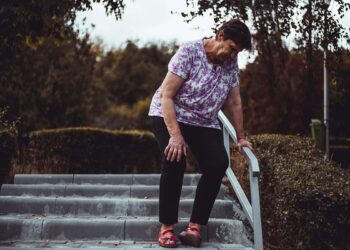
Stairs are often only noticed when they become difficult. What was taken for granted for a long time can become tedious or even an obstacle over time. It therefore makes sense to look for an apartment that is as close to ground level as possible or accessible via an elevator. It is also important to make sure that the lift is large enough to accommodate a rollator, wheelchair or a companion.
2. Do not live too remotely
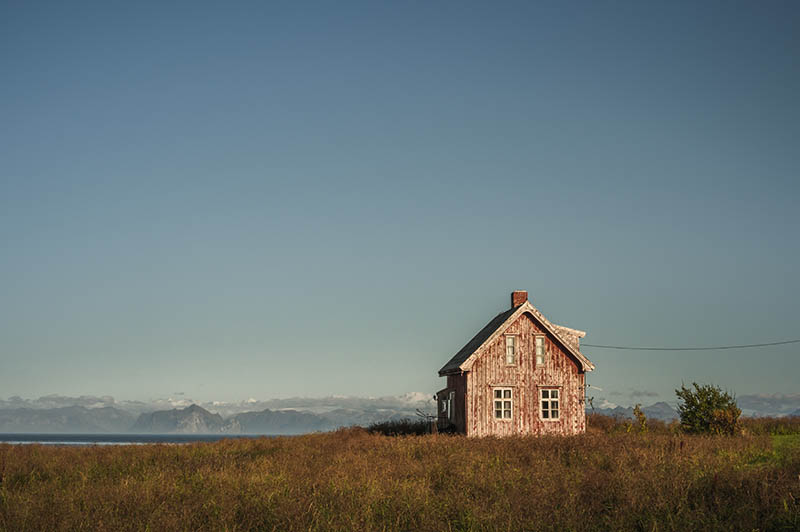
Peace and greenery are nice – but a home should not be so remote that everything becomes complicated in everyday life. Especially in old age, it is helpful to have neighbors nearby and not live completely on your own. If you live too far away, you are often at a loss more quickly in the event of minor crises, health problems or spontaneous support needs. A good living environment is therefore not only quiet, but also easily accessible and embedded in a community.
3. Take neighborhood and social integration seriously
Points 2 and 3 are inextricably linked: A home is not just the apartment itself. It is equally important whether there are people around who can be reached, whether encounters are possible and whether a sense of belonging can be created. Why this is becoming increasingly important: In view of dwindling public resources, neighborhoods, volunteers and so-called caring communities will play a greater role in the future. It therefore makes sense to pay attention to whether the environment is rather anonymous or lively – and whether support in everyday life is conceivable in an emergency.
Furthermore, loneliness is one of the biggest health risks: it is linked to serious illnesses such as depression, dementia, cardiovascular disease and cancer and is considered one of the most common causes of death. Therefore, take social integration very seriously and find out whether there are pensioners’ clubs, associations, games groups etc. in your area and invite your neighbors for coffee. Living together is not only easier and more enjoyable, it also makes you more resilient in times of crisis and when you need support. The more anonymous and dense the structures, the more neighbourhood needs to be actively organized and it doesn’t just happen on its own. You can find out more here.
Find out more about the topic in our interview with Christine Freymuth Caring Communities. In our PDF with valuable tips on organizing your everyday life you can find out how to make new contacts and make connections.
4. Shopping facilities without a car if possible
Another important point is local amenities. Is there a supermarket, pharmacy, bank, post office or other important points of contact nearby? And are these places easily accessible without a car? If you are dependent on a car for every little journey in everyday life, you will become dependent more quickly later on. Short, easy journeys are often much more valuable in old age than people initially think when they are younger.
5. Thinking about medical care
Medical care should also be considered when deciding where to live. Are there general practitioners nearby? And what about specialists, pharmacies, therapies and outpatient (nursing) services? This question will become increasingly important in the coming years as the pressure on medical and nursing care systems increases and outpatient, regional care will play an ever greater role. A beautiful home is of little help if the necessary support in old age is only available at great expense.
6. Think about the apartment not only for today, but also for later
When moving house, people often look for what is a good fit at the moment. At least as important is the question of whether the apartment or house can still function in later life. Are there many thresholds that could later become tripping hazards? Is the bathroom easy to use? Are the doors wide enough to allow access with a walking frame? Is there enough light and orientation? Points like these can be decisive in determining how long it is possible to live independently and safely at home.
If you are not yet aware of some technologies, such as electrically controlled sun protection or assistance technologies such as fall sensors, you can make sure you have sufficient piping so that you have less work to do if you need to install them.
You can also find a more detailed list of criteria in our PDF with tips for everyday life.
7. Do not underestimate heating, cooling and shading
One point that is easily overlooked when moving house is the question of how well a home can be tempered. Especially in old age, many people spend more time at home. At the same time, the perception of heat and cold changes with age. This often means that more heating is needed in winter and heat becomes more of a burden in summer.
This makes it all the more important to have a reliable and efficient heat source that does not become a cost trap in the long term. At the same time, in view of hot summers, a cooling option should also be considered – be it through air conditioning, structural solutions such as concrete core activation or at least through a home that does not heat up extremely. Also make sure you have sufficient insulation and well-sealed windows so that you do not heat your surroundings.
In Germany and Austria, there is the so-called energy performance certificate: it provides prospective buyers or tenants with an overview of the energy quality of a building and is generally mandatory when selling, renting or leasing. Owners or estate agents must present it to interested parties at the latest at the viewing appointment without being asked. Once the purchase or rental agreement has been concluded, the certificate or a copy must be handed over.
This energy certificate shows you at a glance whether an apartment or house is rather economical or rather expensive to heat. Pay particular attention to the efficiency class and how high the energy consumption is: the better the class and the lower the energy consumption, the cheaper and often more comfortable living can be. If your home still has oil or gas heating, it’s worth taking a closer look: Due to the rising CO₂ price, heating can be expected to gradually become more expensive over the next few years. Wood (floor) heating systems that have to be refilled manually can become a challenge in old age. If you have a PV system with storage, check whether it would work in the event of a power cut. Operation normally depends on electricity, a PV system is not automatically designed as a backup power system. This must also be installed as a solution.
The issue of shading is also important: are there external blinds, shutters, awnings or other effective solutions to prevent overheating? If you look at this early on, you will not only improve living comfort, but also protect your health, energy consumption and affordability in everyday life.
Thinking ahead makes things easier
A move is always an opportunity to rethink your own living arrangements with a view to the future. Especially at a time when care support systems are coming under increasing pressure, it is wise to think about as many everyday issues as possible when looking for a home. Not everything has to be perfect – but a home that provides good support, security and comfort in old age can make a big difference later on.
Author: Anja Herberth
Chefredakteurin